

KACO
Produkty marki KACO
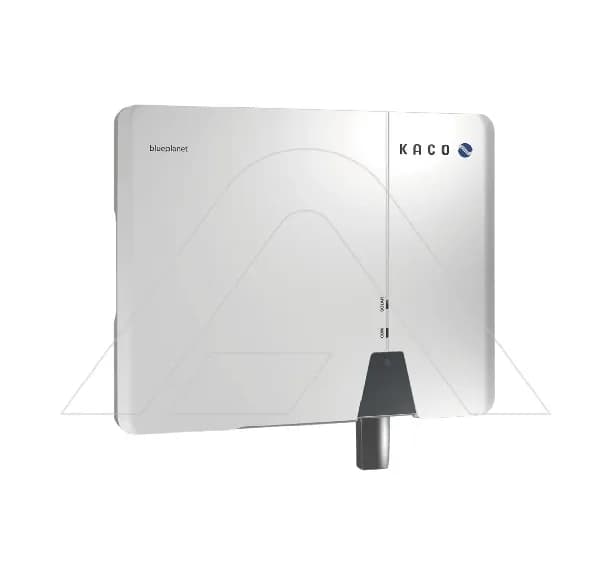
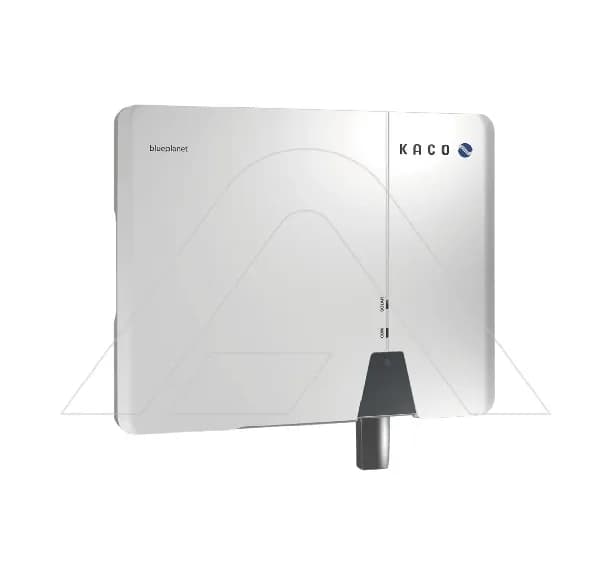
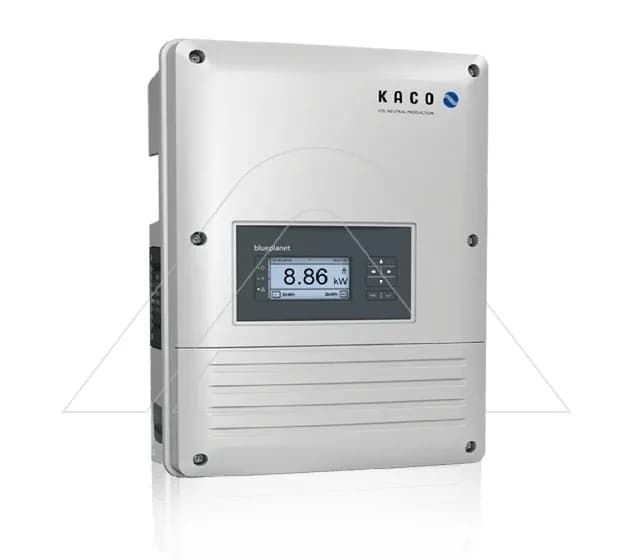
KACO: start with the role of the inverter in the facility
A new PV installation, expanding an operating system, and an energy storage project all pose different requirements. The KACO new energy portfolio includes PV string inverters, hybrid devices, battery inverters, as well as monitoring and accessories. First, determine whether you need energy conversion from panels, battery management, or both functions in a single architecture.
Ask about KACO for your facility parameters
A PV inverter and a battery inverter perform different tasks
A string inverter manages groups of PV modules, converting their direct current into alternating current. A hybrid device combines PV and storage functions in a specific configuration. A battery inverter is a converter working with a storage unit, not the battery itself nor a complete energy storage system.
This distinction helps in reading the scope of the offer. An item called a storage inverter does not necessarily include battery modules, battery management, and the full facility infrastructure. Device compatibility and system functions must be confirmed for the selected configuration.
The number of connectors does not determine the number of independent MPPTs
MPPT is a tracker optimizing the operating point of the panels to utilize their available power. Inputs described in the documentation can be assigned to a single tracker. Therefore, the number of physical connections cannot be automatically read as the number of independently controlled groups.
Strings, which are series of connected modules, are selected according to voltages and currents, as well as the permitted inverter ranges. With roof pitches of different orientations, geometries, or shading conditions, dividing groups into independent MPPTs becomes essential. The total panel power alone does not explain whether each input will operate within the correct range.
A load profile is needed for a larger facility
The annual kWh figure shows energy consumption but does not describe the instantaneous power demand. In a commercial facility, a short peak related to equipment operation may have a different significance than a steady draw of the same energy. For project evaluation, measurement data with a time distribution, grid connection conditions, and planned usage changes are useful.
Example situation: a company expands its PV after purchasing new machinery. Leaving existing devices in place requires checking the DC and AC circuits, metering, and control. A new project designed with storage from the start can be planned differently. Similar rated inverter power does not determine an identical scope of work.
What to determine if you need backup power?
A configuration designed to operate in this mode is required, with an appropriate battery, switching, and separation of loads. A grid-tied inverter does not provide backup on its own. Determine the power and phases of the supported circuits and the operating conditions of the entire system; do not derive these capabilities solely from the brand name.
Where to buy KACO and how to compare prices?
In the Clarvento store and wholesaler, you can ask about KACO for your project. Confirm the specific scope and terms of the offer. Prices depend on functions, power, input parameters, number of phases, as well as metering, communication, and control equipment. For larger investments, separate the equipment cost from the infrastructure, labor, and commissioning, the scope of which requires agreement.
Further criteria can be found in the inverters and energy storage categories. FRONIUS inverters and systems and Huawei energy systems help compare separate configurations on an appropriate scale. The parameters and completeness of each must be checked individually.
Questions before buying KACO
Does the battery inverter include the capacity stated in kWh?
An inverter primarily describes the conversion function and its parameters. The storage energy is determined by the batteries in the approved set. When comparing, check the converter, battery modules, and required equipment separately.
What data will facilitate the evaluation of an expansion?
Provide the designations of existing devices, string parameters and division, grid connection data, and the load profile. Indicate the elements remaining in the installation and the planned functions of the new system.