
Poradniki techniczne
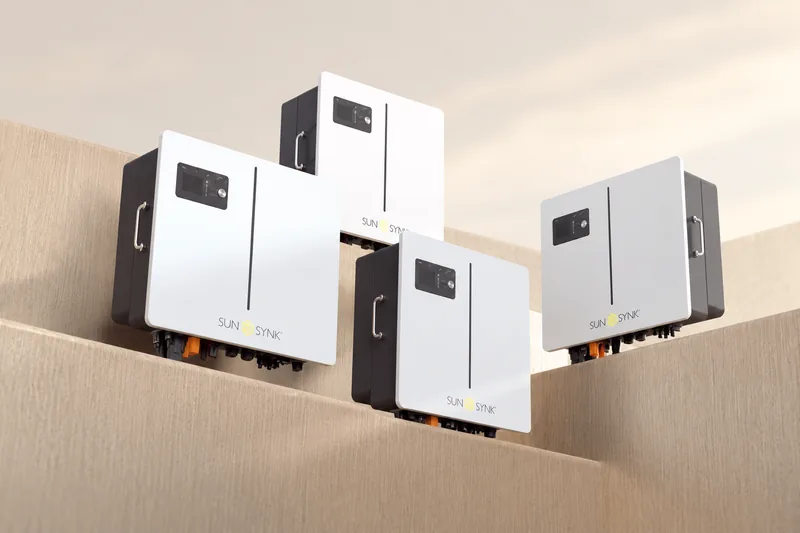
Sunsynk LP hybrid inverter: selection for PV and energy storage
How to combine photovoltaics, energy storage, and backup power? We explain the operation of Sunsynk LP and the parameters an installer should check before selecting a system.
Clarvento and Sunsynk partner material. Based on an article by Dariusz Soloch, MSc Eng., Sunsynk Technical Support Specialist Poland & Eastern Europe. Editorial preparation, purchasing context, and linking: Clarvento editorial team.
When selecting an inverter for an installation with energy storage, it is worth starting with how the entire system should work: where it draws energy from, when it charges the battery, and which loads should operate during a grid failure. Sunsynk LP is a family of hybrid inverters that combines these areas. We explain what this means in the installation design and what information to prepare before choosing devices.
What does the Sunsynk LP hybrid inverter do?
A hybrid inverter converts energy from photovoltaic panels into alternating current, controls the charging and discharging of the storage, and cooperates with the grid. Thanks to this, a single installation can use current PV production, energy stored in the battery, and grid power, according to the system configuration.
For the installer, this means the need to jointly select the inverter and the battery. Device power, storage capacity, and allowable charging power describe different properties of the set. A larger capacity storage can store more energy, but the rate of discharging it also depends on the parameters of the battery and the inverter.
One or three phases: where to start the selection?
The LP family includes single- and three-phase versions. The starting point is the connection conditions and the layout of loads in the building. Only then is the power of a specific device selected and its cooperation with the planned storage checked.
The design must take into account the connection power, energy consumption, loads on individual phases, and planned new devices, for example, a heat pump. Annual PV production alone is not enough to assess how large a load the set must handle at a given moment.
When comparing device types, you can use the category of inverters at Clarvento. Information about the brand can be found on the Sunsynk manufacturer page at Clarvento. You can read more about our cooperation with the brand in the report Clarvento and Sunsynk at Energy Business Day.
Example Sunsynk LP models: parameter comparison
The following designations come from the manufacturer's datasheets. They help compare single- and three-phase variants; they do not confirm their availability at Clarvento. Parameters and system compatibility must be confirmed before ordering.
| Model | Phases / max. AC output power | Battery voltage | MPPT: number / voltage range | Enclosure protection |
|---|---|---|---|---|
| SM6.0kWLLL65 | 1 phase / 6 kW | 40–60 V | 2 / 120–450 V | IP65 |
| SS-10kW-LLKS-HYB-3P-IP65-03 | 3 phases / 10 kW | 40–60 V | 2 / 200–650 V | IP65 |
| SS-12kW-LLKS-HYB-3P-IP65-04 | 3 phases / 12 kW | 40–60 V | 2 / 200–650 V | IP65 |
Parameter sources: Sunsynk LP Range IP65, datasheet v.11 from 28.01.2026 (PDF) and Sunsynk LP Three-Phase IP65, datasheet v.7 from 20.05.2026 (PDF).
A common battery voltage range does not automatically mean compatibility with any storage. The documentation for both series provides for charging LiFePO4 batteries with communication with its BMS. The selection must take into account the specific battery and allowable currents.
Two MPPTs and multiple PV inputs: what does this difference mean?
MPPT searches for the operating point of the panels where a given group of modules can generate the highest possible power under current conditions. The LP series uses two independent MPPTs. The number of physical PV inputs depends on the model and can be greater than the number of these circuits.
For example, on an east-west roof, each plane can be assigned to a separate MPPT, provided the design meets the voltage and current requirements of the inverter. Each group of panels then has its own operating point. However, two strings connected in parallel to one MPPT operate at a common voltage, so the designer must check their matching.
Before purchasing, compare the number of MPPTs, the allowable number of strings, the voltage range, and the current limits of a specific model. A larger number of PV connectors in itself does not ensure independent control of each roof plane.
Inverter and energy storage: system compatibility matters
The cooperation of the inverter with the battery includes both the electrical connection and communication with its BMS management system. When selecting, you need to check the supported battery type, voltage range, allowable currents, and communication compatibility. It is also worth determining what energy reserve to leave for emergency power needs.
In the Sunsynk material, Radia batteries are indicated as a solution to consider with LP. Each such set requires confirmation of compatibility for specific model designations. Battery capacity should result from the consumption profile and the planned operating mode. Comparing available solutions can begin with the category of energy storage.
Charging settings must correspond to the chemistry used and the battery manufacturer's documentation. This also applies to the "Equalization" function visible in some settings: it should not be treated as a universal way to balance a lithium battery, nor should it be activated independently. The configuration of a compatible set, including BMS communication and protections, is performed by the installer according to the device manuals.
Will Sunsynk LP provide power during a grid failure?
Backup operation requires designing the correct layout and designating the circuits that are to remain powered. The backup scope is determined by, among others, the backup output capabilities of a specific inverter, the instantaneous power of the loads, the battery's state of charge, and its allowable discharge power.
An example for a conversation with an investor: backing up a refrigerator, lighting, and network devices is a different task than the simultaneous operation of an induction hob, a heat pump, and other appliances in the house. It is worth establishing the list of loads and the expected backup time before selecting the storage and the switchboard.
Sunsynk Connect: monitoring production and battery operation
The data logger and the Sunsynk Connect application allow you to observe PV production, energy consumption, battery status, and flows between the installation and the grid. Access to data requires proper configuration of communication and internet connectivity.
When commissioning the installation, it is worth checking whether the flow indications correspond to the actual operation of the loads. An incorrectly installed or assigned measuring sensor can make it difficult to assess system performance. The installer should also provide the user with access to the application and explain the meaning of basic readings.
Installation location and expandability
The location for the inverter should be selected according to its model instructions, taking into account cooling, temperature, required clearances, and protection from direct sunlight. The enclosure protection rating does not replace these requirements. This also matters when the device is to operate in a garage or technical room that gets very hot in the summer.
The LP series allows parallel operation of compatible devices. However, the planned expansion must be checked at the design stage: confirm model compatibility, communication and configuration requirements, and limitations of the entire installation. Adding another inverter may require changes to the protections, wiring, and connection layout.
What to prepare before choosing a Sunsynk inverter at Clarvento?
To compare products, prepare:
- connection type, connection power, and information about the load on individual phases;
- PV installation power, module designation, and a plan for dividing into strings and roof planes;
- energy consumption profile and anticipated new loads;
- expected storage capacity or data of an existing battery;
- a list of backup circuits and a plan for possible expansion.
If you plan to use Sunsynk LP, ask Clarvento about the inverter and a compatible energy storage. Provide the installation details and the designations of the considered devices. Before purchasing a set, you need to confirm availability, documentation, compatibility of both devices, and current warranty conditions for the selected configuration.
Ask about the Sunsynk LP inverter and compatible storage
Sunsynk technical materials for installers
Video materials supplement the documentation of a specific device. Installation and commissioning should be performed by a qualified installer, according to the current manual and grid operator requirements.
- Presentation of the Sunsynk LP series 3-phase inverter
- First commissioning of the Sunsynk LP series 3-phase LV inverter
- First commissioning of the installation in the Sunsynk Connect app
Frequently asked questions about Sunsynk LP inverters
Do four PV inputs mean four MPPTs?
No. Physical string inputs can be assigned to a common MPPT. The LP series has two independent MPPTs, and the number of inputs and how they are used should be checked in the documentation of the selected model.
Does every energy storage fit Sunsynk LP?
The system requires confirmation of electrical compatibility and communication with the BMS. You need to check specific models of the inverter and battery, voltage, allowable currents, and the manufacturer's compatibility list.
Will a hybrid inverter power the whole house during a grid failure?
The scope of backup power results from the installation design, the capabilities of the given inverter and battery, and the load of appliances. Backup circuits and their expected operating time should be determined before purchasing the set.
What is Sunsynk Connect used for?
The application allows you to monitor production, consumption, battery status, and energy flows. It requires a configured data logger, connectivity, and access to the installation.
Galeria

Przeczytaj również
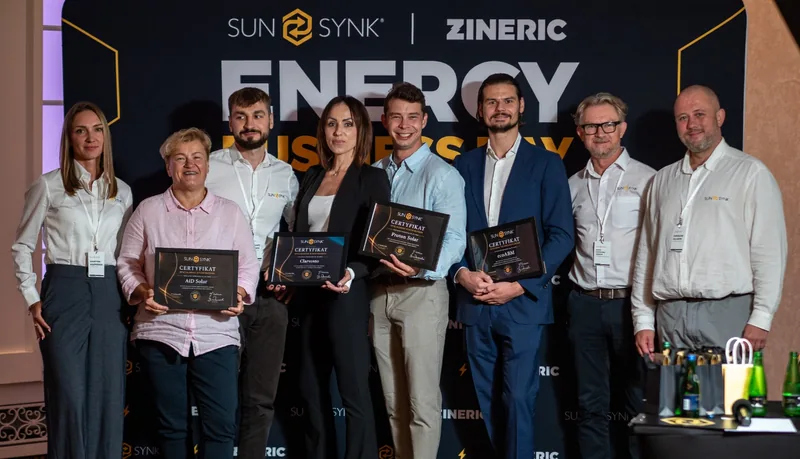
Clarvento with Sunsynk certificate at Energy Business Day in Jachranka
Official Sunsynk distributor certificate, meetings with the RES industry, and talks about cooperation. See the report from Clarvento's participation in Energy Business Day in Jachranka.
Clarvento is the official Hinen distributor in Poland. Orders, quotes, and cooperation
Clarvento is the official Hinen distributor in Poland. For us, it is not just another brand in our offer, but a cooperation that we consistently develop. We already have our first Hinen sub-distributor, we are expanding product availability, and we invite more installers, contracting companies, and trade partners to cooperate.
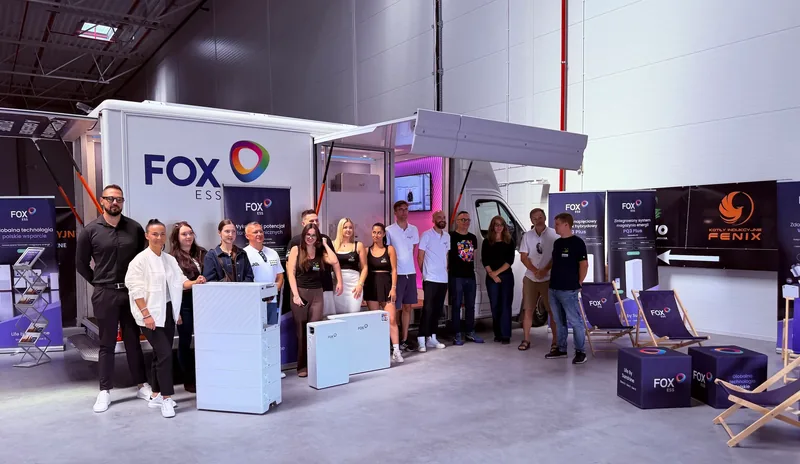
FoxESS Tour 2026 in Wrocław: Practical Knowledge, Meetings and Special Clarvento Offer
The first Wrocław stop of the FoxESS Tour 2026 is already behind us. See what the meeting of installers with experts looked like and ask about Clarvento's special offer for FoxESS solutions.