Witaj! Zaloguj się aby zobaczyć ceny B2BWitaj!
Your cart is empty
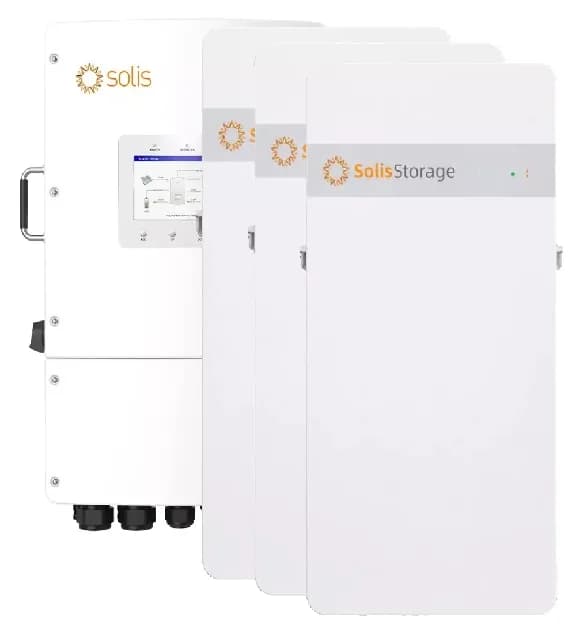
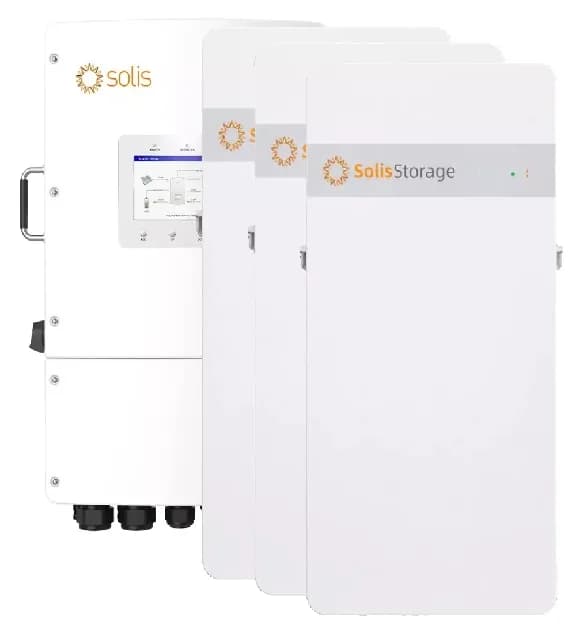
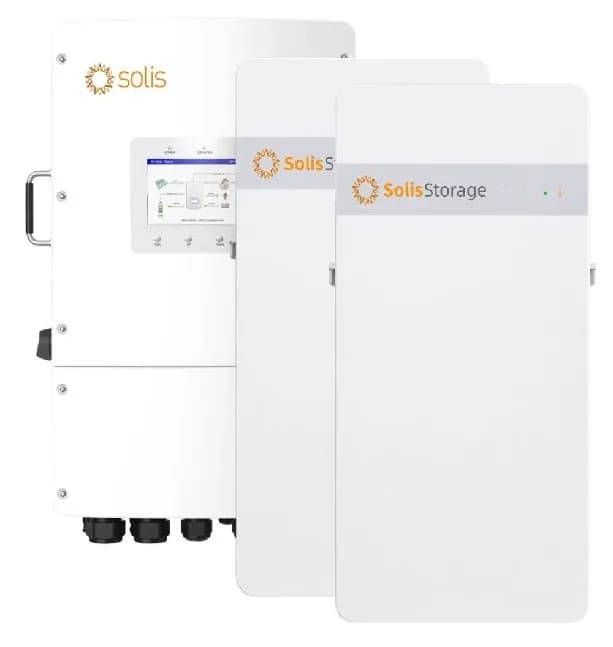
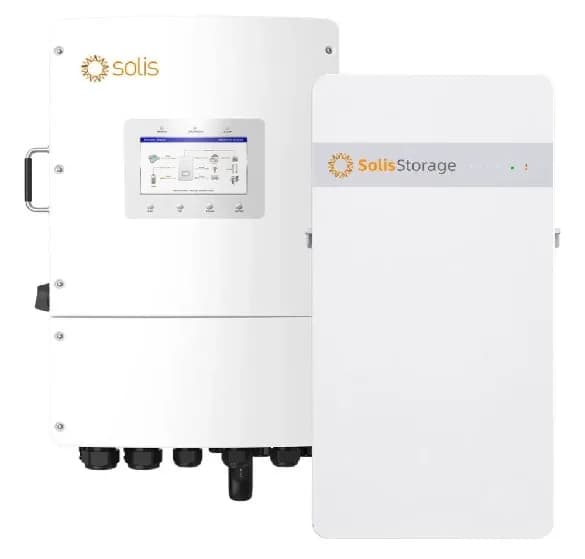
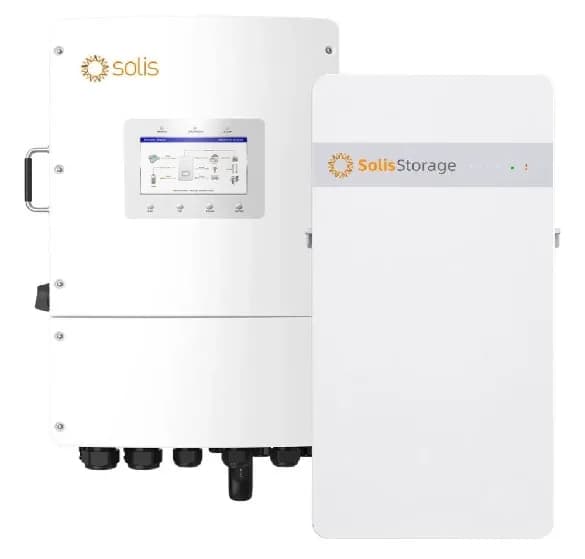
Ready-made packages for installers prepared for the Przydomowe Magazyny Energii 2.0 (PME 2.0), the Polish home energy storage subsidy programme. Here you will find properly matched hybrid inverters, energy storage with a capacity from 10 kWh, and EMS systems.
5 produktów
PME 2.0 is a nationwide programme managed by NFOŚiGW (National Fund for Environmental Protection and Water Management). Applications are submitted electronically using the Generator of Applications for Co-financing (GWD). The 2026 energy storage subsidy is directed at prosumers with a renewable energy micro-installation connected to the grid. The basic condition is the installation of a device with a capacity from 10 kWh. The programme also provides additional support if it is necessary to replace the inverter with a hybrid one manufactured in the EU. Installers must remember the cost limit. The purchase and installation price of the battery alone, without the inverter and EMS system, cannot exceed 3000 PLN per 1 kWh of nominal capacity. To facilitate assembly, we have collected kits assembled to meet the technical requirements of the programme.
When you create a photovoltaic kit with energy storage for a customer, you must precisely calculate the required capacity. According to the programme rules, the storage capacity in Wh must be at least twice the installation power in Wp. In our wholesale store, we have gathered energy storage units and three-phase hybrid inverters that allow you to build a system compliant with the specified proportions. The kits do not include panels. If the customer is expanding the installation, you select the photovoltaic panels separately.
Every energy storage subsidy in PME 2.0 requires the use of an active EMS system. This programme categorically excludes simple controllers and visualization applications that do not make independent decisions about the system's operation. The system is to control the battery charging and discharging process, basing its operation on time profiles. The EMS module can be built into the inverter, constitute a separate control module, or operate as an external system. In the GWD application and the acceptance protocol, you must provide the name of the system, its type, and describe its functionality. We have described the detailed guidelines in the guide, which is the article on PME 2.0 requirements. The cybersecurity of the system remains equally important. The EMS must meet the requirements resulting from NIS2, CRA, RED DA, and the ETSI EN 303 645 standard. When using a wireless connection or when the equipment operates in a Wi-Fi network, these requirements apply equally to the inverter and the associated management device.
The correct combination of parameters determines whether a given energy storage will ultimately receive the subsidy. The qualification of a specific site depends on the installation and properly prepared documents. Below we show what the calculation of battery capacity for the home energy storage subsidy looks like in practice.
Example: a 6 kWp micro-installation. The customer has a micro-installation with a power of 6 kWp. According to the imposed double capacity condition, a kit including an energy storage with a hybrid inverter must have a minimum battery space of 12 kWh. A smaller battery will exclude the project from the support procedure.
Example: a 7.5 kWp photovoltaic installation. In this case, the customer needs a device with a minimum capacity of 15 kWh. A compliant choice here will be a 15 kWh energy storage with a three-phase inverter. This will meet the proportionality rules and allow the submission of an application to the GWD.
Our offer allows you to precisely adjust the equipment to the installation requirements of a given customer. We have prepared well-thought-out configurations based on the equipment of the indicated brands.
The Zeronest DIN200-WMBUS (Bzyk D200) used in some of the packages is a physical EMS gateway, which according to the manufacturer's information was designed and manufactured in Poland. It features LTE connectivity, an RS485 wired interface for communication with inverters, and a Wireless M-Bus 868 MHz module intended for connection with DSO meters. The manufacturer of this device provides information about its compatibility with CRA and RED DA regulations.
The call for applications in the PME 2.0 programme started on October 20, 2026. Applications are submitted exclusively electronically, through the Generator of Applications for Co-financing (GWD) of the NFOŚiGW.
In the PME 2.0 regulations, the EMS system can be physically built into a three-phase hybrid inverter, but the use of an external control module is also permitted. We include external communication gateways in hardware packages based on FoxESS, GoodWe, and Hinen equipment.
The EMS must meet the requirements resulting from NIS2, CRA, RED DA, and the ETSI EN 303 645 standard. If the applied solution uses Wi-Fi communication, the security guidelines apply equally to the hybrid inverter and its associated EMS system.
Yes. In addition to stationary electrical batteries with a capacity from 10 kWh, the support also provides for devices for heat storage with a minimum capacity of 100 dm3. The key assumption is that the equipment strictly cooperates with the installed renewable energy micro-installation.
Send us your project assumptions. We will select the device parameters according to the requirements of the programme managed by NFOŚiGW.
Send an inquiry